Essential Guide to Seasonal Business Storage: Preparing for Weather Changes
Understanding Seasonal Business Storage Needs
As the seasons change, businesses often face the challenge of managing inventory and supplies effectively. Whether you're dealing with winter equipment or summer merchandise, understanding your seasonal storage needs is crucial. Proper planning helps in maximizing space and minimizing costs.

Businesses should begin by evaluating their inventory requirements for each season. Make a comprehensive list of items that will be in high demand and those that can be stored away. This proactive approach ensures a smooth transition as the weather changes.
Organizing Your Storage Space
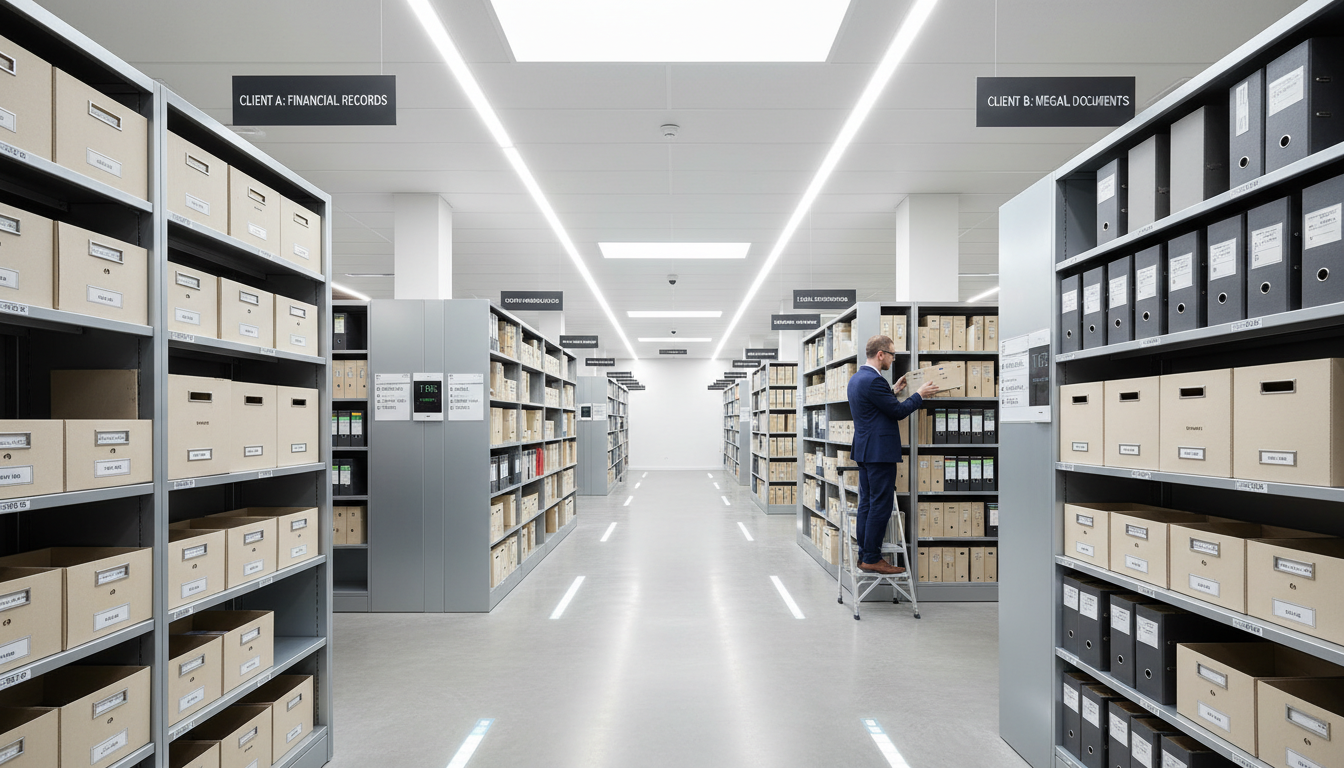
Once you've identified what needs to be stored, the next step is organizing the storage space. Efficient organization not only saves time but also enhances productivity. Use shelving units, containers, and labels to keep everything in place and easily accessible.
Consider implementing a first-in, first-out (FIFO) system to manage perishable goods. This method ensures that older stock is used before newer items, reducing waste and maintaining freshness.
Utilizing Vertical Space
Don’t overlook the potential of vertical space in your storage area. Installing high shelves or racks can significantly increase your storage capacity. Ensure that heavier items are stored at lower levels to maintain safety and balance.
Climate-Controlled Storage Solutions
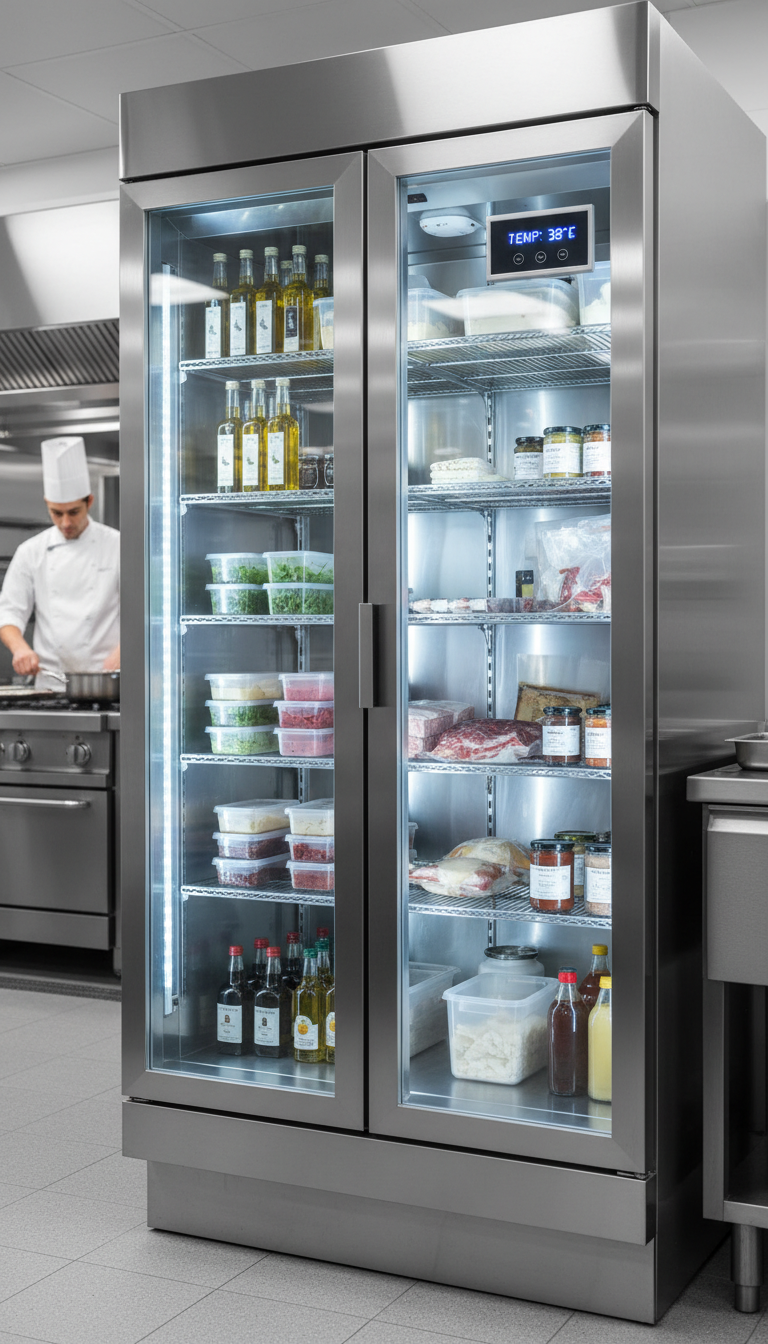
For businesses dealing with temperature-sensitive products, climate-controlled storage is a must. These facilities help maintain optimal temperature and humidity levels, preserving the quality of your goods.
Investing in climate-controlled solutions can prevent damage caused by extreme weather conditions, such as freezing temperatures or excessive heat. This is particularly important for businesses in the food, electronics, and pharmaceutical industries.
Choosing the Right Storage Facility
Choosing the right storage facility is critical for ensuring the safety and accessibility of your inventory. Consider factors such as location, security, and cost when making your decision. It's also important to inspect the facility for cleanliness and pest control measures.
Regular Maintenance and Inventory Checks
Regular maintenance and inventory checks are essential for effective seasonal storage management. Schedule periodic inspections to identify any issues, such as leaks or pest infestations, that could compromise your stored items.
Conducting inventory checks helps in tracking stock levels and understanding which items need to be reordered or rotated. This practice can prevent shortages and ensure that you are always prepared for seasonal demands.

Final Thoughts
Preparing for seasonal changes in business storage requires a strategic approach. By understanding your needs, organizing efficiently, and choosing the right storage solutions, you can enhance your business operations and reduce unnecessary costs. Stay proactive and adapt to changes to ensure ongoing success.