Expert Advice: Optimizing Outdoor Storage for Your Business Needs
Understanding Your Storage Requirements
When it comes to optimizing outdoor storage for your business, the first step is to assess your specific needs. Different businesses require different solutions, so understanding what you need to store and the space available is crucial. Consider the types of items you need to store and whether they require special conditions, such as protection from the elements or security measures.
Start by making a detailed list of all the items you plan to store outdoors. Categorize them based on size, weight, and any special requirements. This will help you determine the type of storage solutions you need, whether it's shelving, containers, or specialized structures.
Choosing the Right Storage Solutions
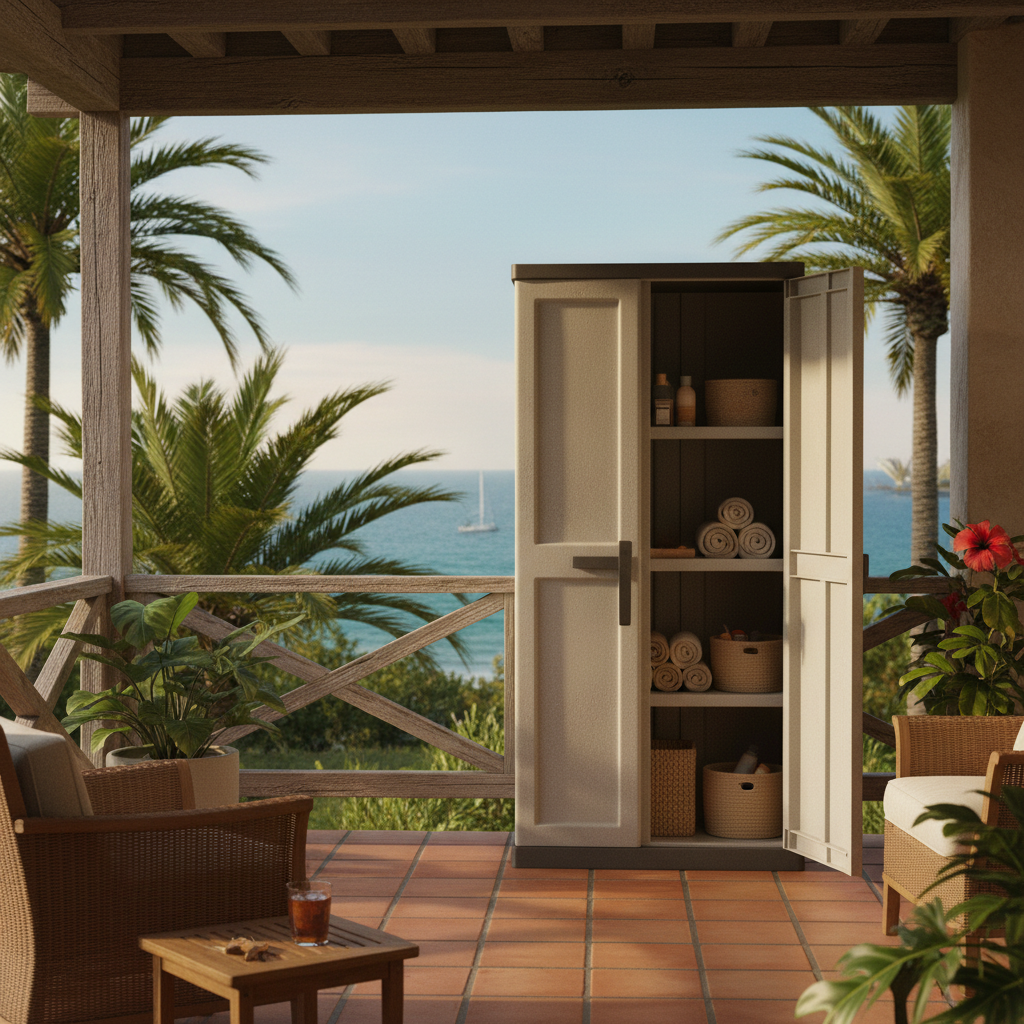
Once you have a clear understanding of your storage needs, it's time to explore the different outdoor storage solutions available. From portable containers to custom-built sheds, the options are vast. It's important to choose solutions that not only fit your budget but also provide the necessary protection and accessibility for your items.
Consider the material of the storage units. Metal, wood, and plastic each have their pros and cons. Metal is durable and secure, while plastic is lightweight and resistant to moisture. Wood can offer a more aesthetic appeal but may require more maintenance.
Maximizing Space Efficiency
To make the most of your outdoor storage, focus on maximizing space efficiency. Vertical storage is an excellent way to utilize limited ground space. Installing shelves and racks can help you organize items in a way that is both efficient and accessible.
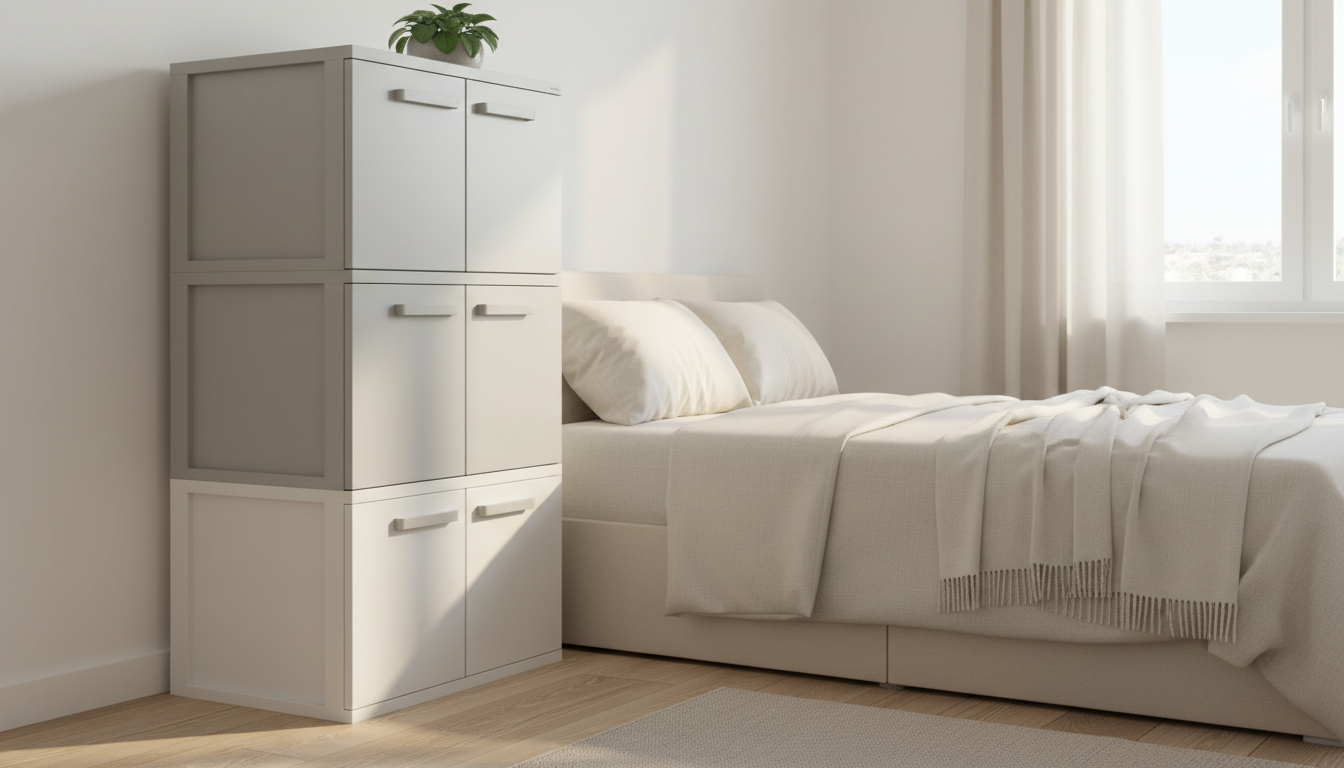
Another strategy is to use stackable containers. These can help in keeping your storage area tidy and make it easy to access items when needed. Label each container clearly to avoid confusion and save time during retrieval.
Ensuring Security and Protection
Security is a critical aspect of outdoor storage. Invest in secure locks and consider installing surveillance cameras if your storage area contains valuable items. Additionally, ensure that your storage solutions are weather-resistant to protect against rain, snow, and extreme temperatures.
Regular maintenance of your outdoor storage area is also vital. Check for any signs of wear or damage and address them promptly to ensure the longevity of your storage solutions.
Environmental Considerations
Finally, consider the environmental impact of your storage solutions. Opt for eco-friendly materials and designs that minimize your carbon footprint. Additionally, explore water drainage solutions to prevent water logging during heavy rainfall.
By integrating sustainable practices into your storage strategy, you can enhance your company's green credentials while optimizing your storage solutions.