Preparing Your Equipment for Seasonal Storage: Tips and Tricks
Understanding the Importance of Seasonal Storage
As the seasons change, it's essential to ensure that your equipment is properly stored to maintain its longevity. Whether it's gardening tools, outdoor furniture, or sports gear, preparing these items for storage can save you money and time in the long run. Proper storage prevents rust, wear, and other damage caused by prolonged exposure.
Cleaning Before Storing
Cleaning your equipment thoroughly before storing it is a crucial step. Dirt, grime, and moisture can lead to rust and mildew, which can damage your equipment. Use appropriate cleaning agents for different materials to ensure a thorough clean. For instance, a mixture of soap and water works well for most surfaces, while specialized cleaners might be required for metal or leather.
Drying is Key
After cleaning, make sure everything is completely dry. Moisture left on equipment can cause mold and rust, which can significantly reduce the lifespan of your items. Use a dry cloth or allow items to air dry in a well-ventilated area. This step is especially important for any electronic equipment.
Organizing Your Storage Space
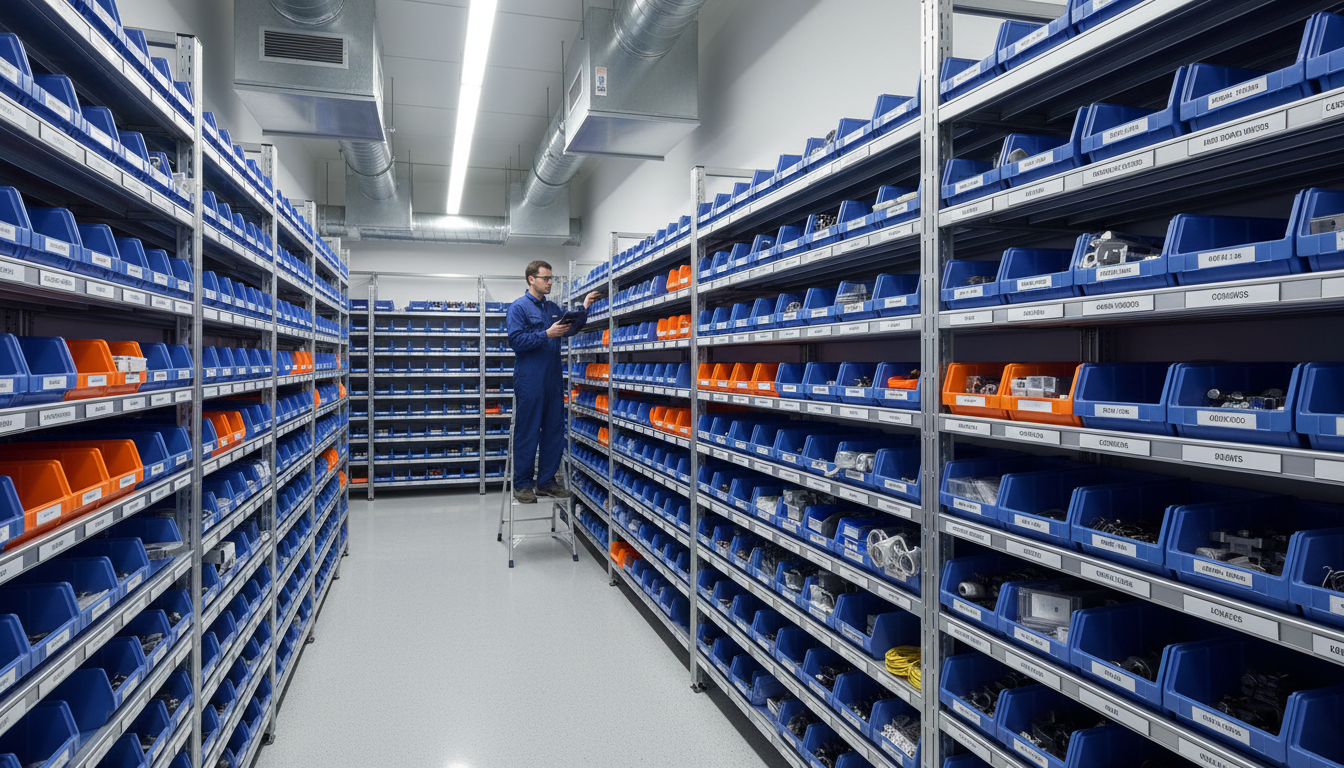
Once your equipment is clean and dry, it's time to organize your storage space. An organized space not only helps in maintaining your equipment but also makes it easier to find items when needed. Consider using shelves, hooks, and bins to keep everything in its place.
Labeling and Inventory
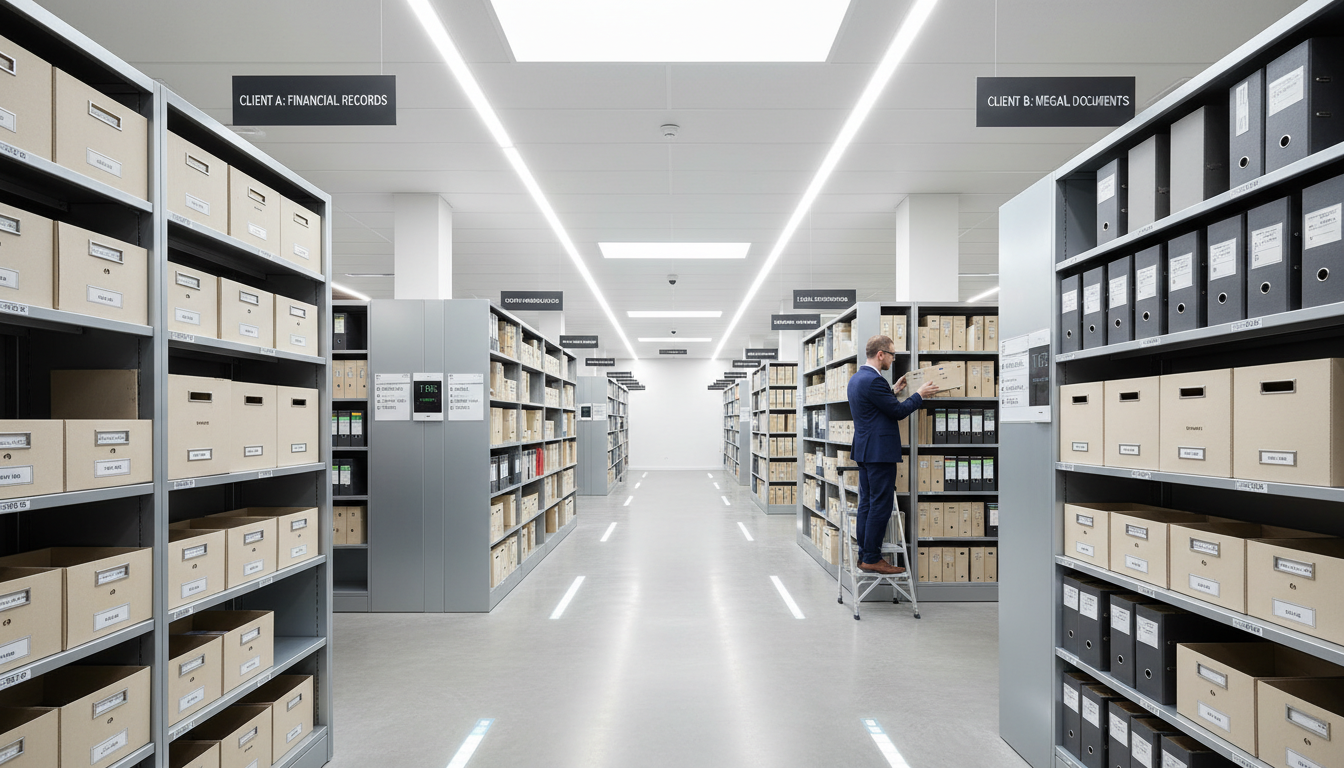
Labeling your storage bins and keeping an inventory can save you time and frustration. Use clear labels and consider keeping a digital or physical list of where everything is stored. This practice is particularly useful if you have a large collection of tools and equipment.
Choosing the Right Storage Environment
The environment where you store your equipment plays a significant role in its preservation. Ideally, choose a cool, dry place with minimal exposure to sunlight. Basements or garages often serve as excellent storage spaces, provided they are adequately insulated and free from dampness.

Use Protective Covers
Protective covers can add an extra layer of protection for your equipment. These covers can prevent dust accumulation and protect against accidental scratches. Ensure that covers are breathable to avoid trapping moisture, which can lead to mold growth.
Regular Maintenance Checks
Even while in storage, it's important to perform regular maintenance checks on your equipment. This involves inspecting items periodically for signs of damage or wear. Early detection of issues can prevent costly repairs or replacements in the future.
Revisiting Storage Arrangements
As seasons change, revisit your storage arrangements to ensure everything is still in good condition and easily accessible. This practice will help you prepare for the upcoming season and make necessary adjustments to your storage strategy.