
Preparing Your Equipment for Winter Storage: A Step-by-Step Guide
Understanding the Importance of Winter Storage
As winter approaches, it's essential to prepare your equipment for the colder months. Proper storage prevents damage and extends the lifespan of your tools and machinery. Whether it's lawn equipment, boats, or recreational vehicles, taking the time to winterize can save both money and time in the long run.
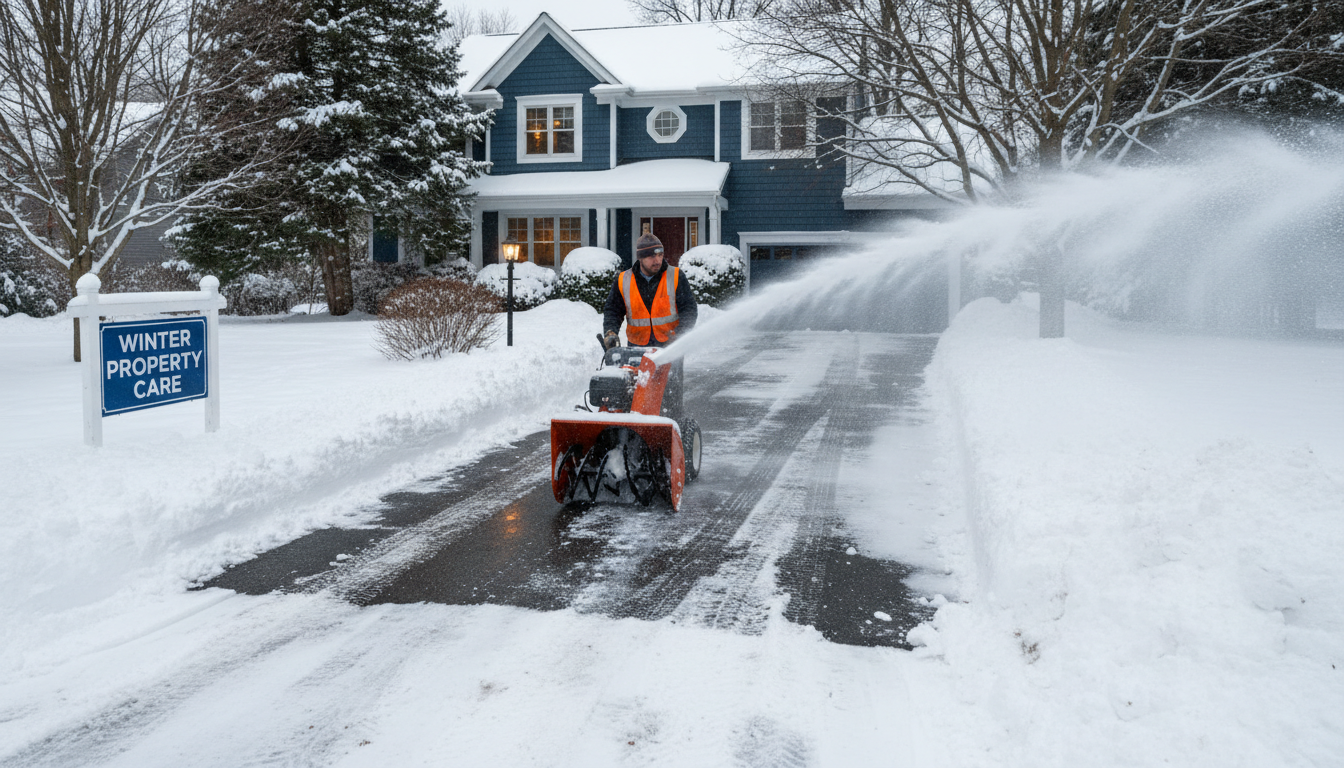
Cleaning Your Equipment
Before storing any equipment, ensure it's thoroughly cleaned. Dirt and debris can cause corrosion or other damage over the winter. Use appropriate cleaning agents for each type of equipment, and ensure that all parts are dry before storing.
It's also a good time to perform any necessary maintenance. Check for worn parts, tighten loose screws, and apply lubrication where needed. This proactive approach will keep your equipment in optimal condition.
Fuel and Fluids
For equipment that runs on fuel, it's crucial to address the fuel system. Consider adding a fuel stabilizer to prevent the fuel from breaking down. Run the engine for a few minutes to ensure the stabilizer circulates throughout the system.

Drain any remaining fluids that might freeze, such as water or certain types of coolants. Replacing old oil with fresh oil before storage is also a good practice, as used oil contains contaminants that could cause damage over time.
Battery Care
Removing and storing batteries in a cool, dry place is vital for battery-operated equipment. If removal isn't possible, ensure that the battery is fully charged and disconnected. Regularly charge stored batteries to maintain their condition.
Consider using a battery maintainer or trickle charger to keep batteries in good health. This ensures they are ready to go when you need them again in the spring.
Proper Storage Environment
Choose a storage location that is dry and protected from the elements. If storing outdoors, invest in high-quality covers to shield your equipment. Elevate items off the ground to avoid moisture contact.
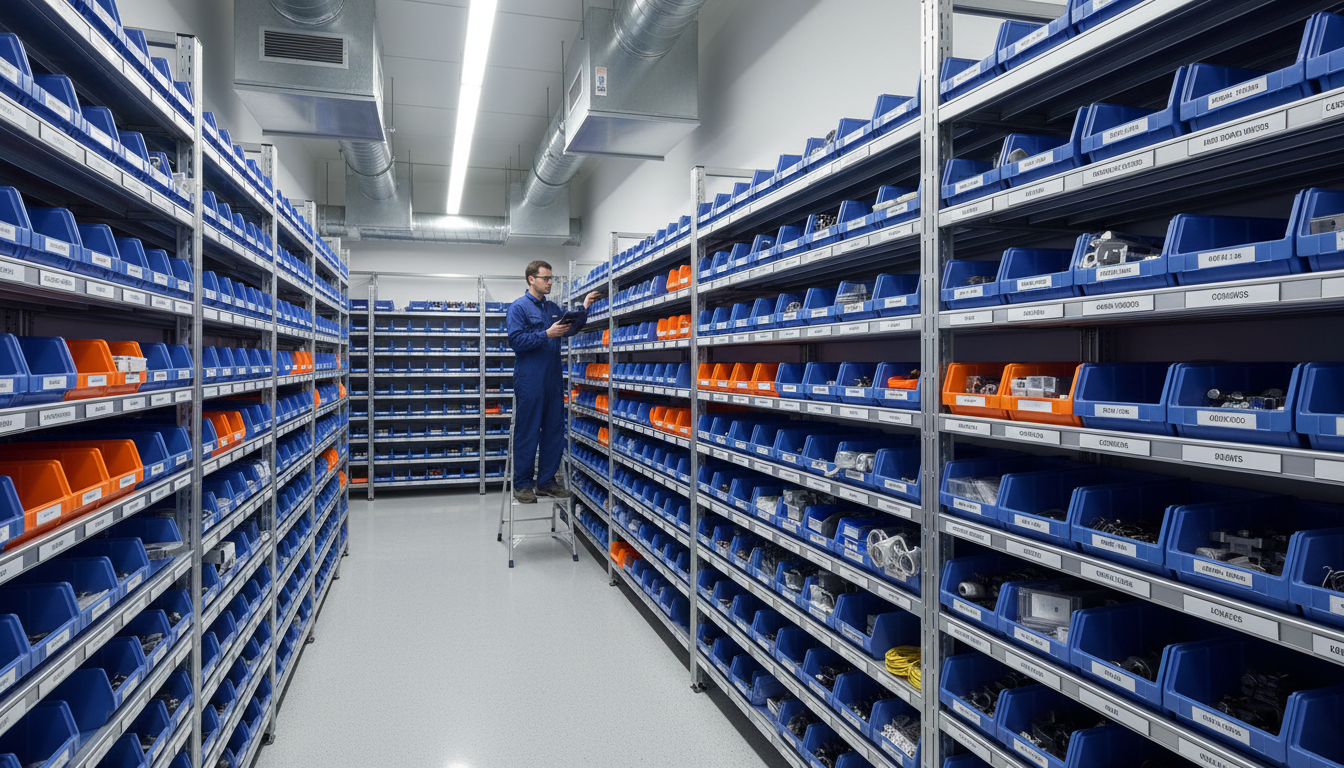
Ensure that the storage area is free from pests. Rodents can cause significant damage by chewing through wires or nesting in machinery. Using deterrents can help keep them at bay.
Documenting Your Storage Process
Finally, consider documenting your storage process. Take photos and make notes about the condition of your equipment and the steps you've taken. This record can be invaluable if issues arise or when preparing your equipment for use again.
By following these steps, you can ensure that your equipment remains in excellent condition throughout the winter months, ready for action when spring arrives.