The Hidden Costs of Business Storage: What to Know Before You Rent
Understanding the True Cost of Business Storage
When businesses consider renting storage space, the focus often lands on the rental price per square foot. However, there are numerous hidden costs that can significantly impact the overall expenditure. Before signing a lease, it’s crucial to fully comprehend these potential expenses to make a well-informed decision.

Maintenance and Facility Fees
Most storage facilities charge additional fees for maintenance, which can cover everything from cleaning to pest control. These charges are often not included in the initial quote. Businesses should inquire about the frequency and cost of such services to avoid unexpected bills.
Additionally, some facilities may have mandatory facility fees, which contribute to overall upkeep and improvements. Knowing these costs upfront helps in budgeting accurately.
Insurance and Security Considerations
Insurance is another crucial factor. While basic insurance might be included, it often only covers a minimal amount. Businesses should evaluate their needs and consider purchasing additional coverage, especially if storing valuable items.
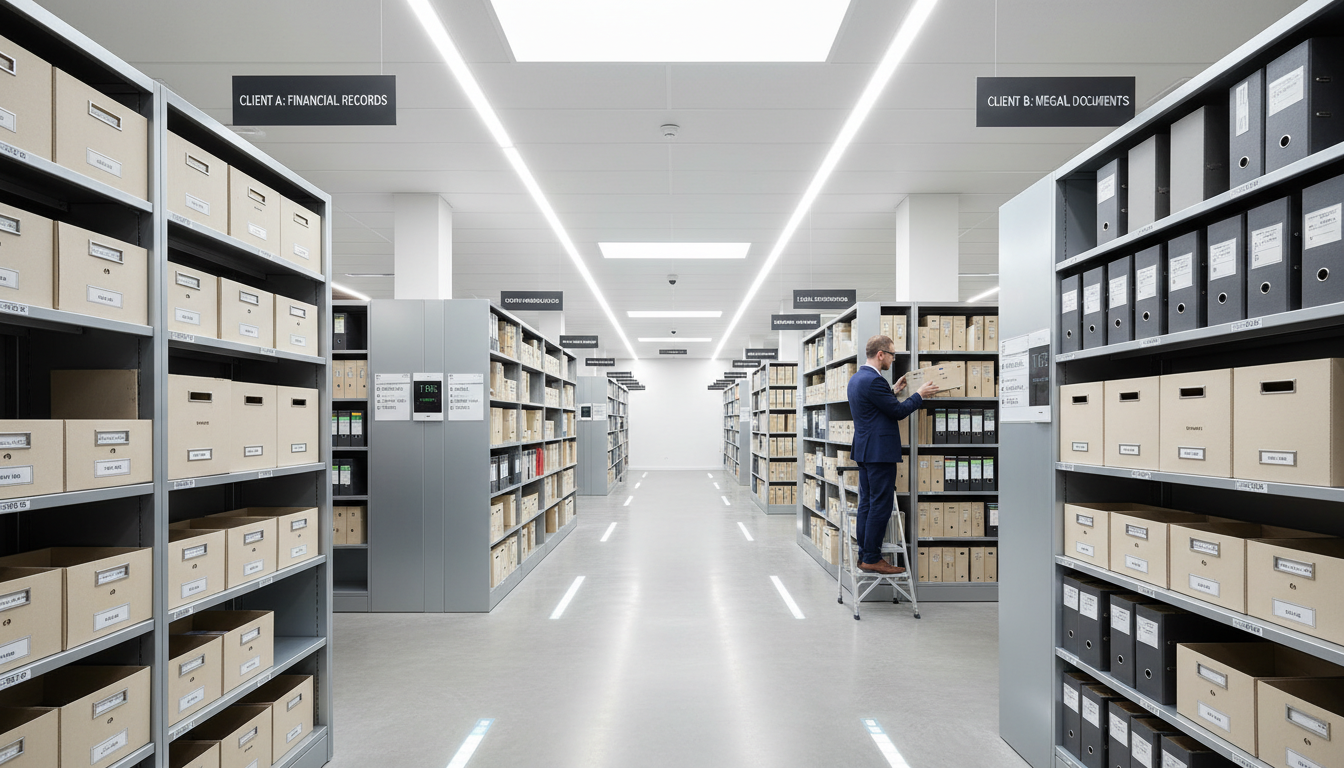
Security measures can also affect costs. Facilities with advanced security systems might charge higher fees, but the investment can be worth it to protect valuable inventory.
Access and Transportation Costs
Accessibility is a vital aspect to consider. If your storage solution is far from your primary business location, transportation costs can quickly add up. Frequent trips to the storage unit can incur significant fuel, time, and labor expenses.
Evaluate whether the facility offers 24/7 access, as restricted hours might also affect productivity and lead to additional costs if special arrangements are needed.

Contractual Obligations and Flexibility
Long-term contracts might offer lower rates, but they can also lock businesses into agreements that are hard to exit. It’s essential to read the fine print and understand any penalties for early termination or changes in storage needs.
Look for facilities that offer flexible terms, which can be beneficial if your storage needs fluctuate. This flexibility can save money in the long run by allowing you to adapt the space to your business requirements.
Conclusion: Making an Informed Decision
While it’s easy to focus solely on the advertised rental price of a storage unit, being aware of the hidden costs can prevent unpleasant surprises. By considering factors such as maintenance fees, insurance, transportation, and contractual obligations, businesses can choose a storage solution that truly meets their needs without breaking the bank.
Ultimately, transparency with the storage provider and thorough due diligence can lead to a more cost-effective and efficient storage strategy.